There is no official medical test that can diagnose “phone addiction” — it isn’t a formal disorder in the DSM-5 or ICD-11. But you can honestly gauge whether your phone use has crossed the line from ordinary habit into something more compulsive. The 12-question self-test below is built from the same constructs that appear in published research tools like the Smartphone Addiction Scale (SAS): tolerance, withdrawal, salience, mood modification, and conflict. Answer each question yes or no, count your yeses, and read your band. Think of it as a mirror, not a diagnosis — a fast way to see your own patterns clearly.
What does a phone addiction test actually measure?
Behavioral-addiction researchers don’t count hours. They look for the shape of a problem — the same warning signs that show up in gambling or gaming disorders, adapted to the phone. A good phone addiction quiz probes six recognized patterns:
- Salience — the phone dominates your attention even when it’s away; you reach for it on autopilot.
- Tolerance — you need more time or more stimulating content to feel the same relief you used to get from less.
- Withdrawal — restlessness, irritability, or anxiety when you can’t check it. This overlaps heavily with the anxiety of being without your phone, sometimes called nomophobia.
- Mood modification — you use the phone to escape boredom, stress, or low moods rather than for a specific task.
- Conflict — your phone use causes friction with people, work, or your own goals.
- Relapse — you’ve tried to cut down and slid back.

The 12-question phone addiction self-test
Answer yes (1 point) or no (0 points) to each. Be honest — nobody’s watching, and rounding up “sometimes” to “no” only fools you.
- Do you reach for your phone within a few minutes of waking up, before anything else?
- Do you unlock your phone on autopilot, then forget why you picked it up?
- Does a planned “quick check” regularly turn into 30 minutes or more?
- Do you feel anxious, restless, or incomplete when your phone isn’t with you or the battery dies?
- Do you use your phone mainly to escape boredom, stress, or a bad mood?
- Have you felt your phone vibrate in your pocket when it didn’t (phantom vibration)?
- Do you use your phone in bed in a way that cuts into your sleep?
- Have you tried to cut down on your phone use and failed?
- Has your phone use caused arguments or distance with a partner, family, or friends?
- When you guess your daily screen time, is the real number always higher than you expected?
- Do you check your phone during meals, conversations, or while crossing the street?
- Do you need more scrolling or more time now to feel as satisfied as you used to?
Add up your yeses.
What does my score mean?
| Score | Band | What it suggests | Next step |
|---|---|---|---|
| 0–3 | Healthy relationship | Normal, in-control use. A few habits, nothing alarming. | Keep light guardrails — a charging spot outside the bedroom is plenty. |
| 4–7 | Habit forming | The phone is winning more moments than you’d like. Not a crisis, but a trend. | Add friction and structure before it deepens. |
| 8–12 | Time to act | Several hallmark patterns are present. This is worth treating seriously. | Make deliberate changes now, and consider professional support if it’s affecting your life. |
A high score doesn’t make you broken — it makes you normal in a world engineered to capture attention. Understanding why your brain keeps reaching for the phone is the first practical step out.
“I scored a 9 and my first reaction was to argue with the questions. Then I checked my actual Screen Time: 5 hours 40 minutes a day, and I’d have guessed maybe two. That gap was the wake-up call, not the quiz.” — Daniel, product designer, 31
What are the symptoms of phone addiction?
If you want to skip the scoring and just watch for warning signs, these are the phone addiction symptoms clinicians and researchers point to most:
- Loss of control — you use it longer than intended and can’t stop when you want to.
- Preoccupation — you think about checking messages or feeds during other activities.
- Withdrawal feelings — genuine unease when separated from the device.
- Neglect — sleep, meals, work, or people get displaced by screen time.
- Concealment or defensiveness — you downplay how much you actually use it.
- Physical signs — eye strain, neck pain (“tech neck”), disrupted sleep from late-night use.
One symptom on its own is meaningless. It’s the cluster — several patterns, showing up often, with a real cost to your sleep, focus, or relationships — that separates a strong habit from a compulsion. If that describes you, our guide to breaking the phone-checking cycle walks through what actually helps.
When should I seek professional help?
A self-test can’t tell you to see a therapist, but some situations clearly warrant it. Consider reaching out to a doctor or mental-health professional if:
- Phone use is seriously harming your sleep, work, studies, or key relationships, and you can’t change it despite genuinely trying.
- The urge to check is tied to anxiety, depression, or compulsive patterns that predate the phone — the phone may be a symptom, not the root cause.
- You feel distress or panic when separated from your device that goes beyond mild annoyance.
Phone overuse is often a coping mechanism for something underneath it. A professional can help you find and treat that root, which no app can do.
How Unscrol turns a test result into change
A quiz gives you a number; a number fades by lunchtime. What changes behavior is a steady, honest feedback loop — and that’s the gap Unscrol is built to fill on iPhone and Apple Watch.
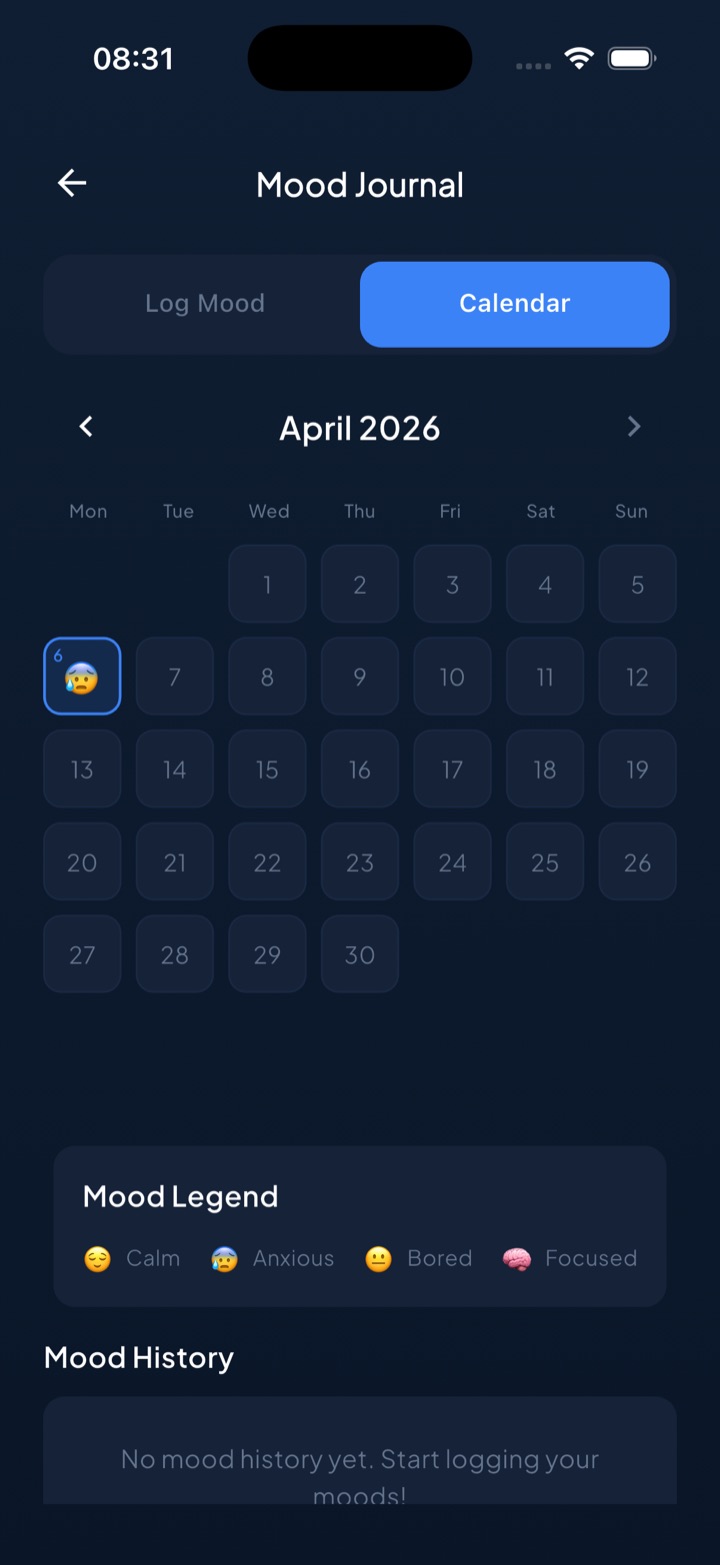
To be clear about what’s free: Apple’s built-in Screen Time already shows your real daily usage and lets you set app limits — and honestly, everyone should turn that on first. The catch is that Screen Time reports are easy to ignore (that “Ignore Limit” button is one tap away) and easy to forget. Unscrol’s job is consistency. Its guess-vs-real screen time report makes you commit to a number before revealing the truth — the same reality check that jolted Daniel above. Its mood and urge check-ins let you log why you reached for the phone, so you spot the boredom-and-stress triggers behind the habit. And scheduled blocking routines plus a daily streak turn “I should use my phone less” into a structure that runs whether you feel motivated or not. The self-test tells you where you stand today; the daily loop is what moves the number down.
Frequently asked questions
Is there a real test for phone addiction?
There is no official medical test, because phone addiction is not a formal diagnosis in the DSM-5 or ICD-11. However, researchers have built validated self-report questionnaires like the Smartphone Addiction Scale (SAS) that measure recognized patterns: tolerance, withdrawal, loss of control, and daily-life conflict. Short self-tests like the 12 yes/no questions in this article are based on those same constructs. They are useful for honest self-reflection and spotting a problem early, but a high score is a signal to change your habits or talk to a professional, not a clinical diagnosis.
What are the main symptoms of phone addiction?
The most common signs are reaching for your phone the moment you wake up, checking it on autopilot with no reason, planned short sessions stretching into long ones, and feeling anxious or restless when you can't access it. Other red flags include using your phone to escape boredom or bad moods, phantom vibrations, using it in bed at the expense of sleep, failed attempts to cut down, and conflict with people close to you. No single symptom means addiction. It's the cluster, the frequency, and the impact on sleep, work, and relationships that matter.
How much phone use is considered an addiction?
There is no official hour threshold, and honestly the number matters less than the pattern. Someone who uses their phone six hours a day for work with full control is different from someone who loses two hours to compulsive scrolling and feels unable to stop. Instead of chasing a magic number, look at loss of control, withdrawal-like anxiety, and whether phone use is damaging your sleep, focus, or relationships. A useful reality check is comparing your guess for daily screen time against your iPhone's actual Screen Time report — most people underestimate by a wide margin.